


Sun Goddess Matcha
Sun Goddess Matcha
- EGCG firms and brightens skin
- Catechins help curb sugar and hunger cravings
- Chlorophyll supports skin clarity
- Caffeine supports lipid metabolism
- L-theanine promotes calm and balance
- 100% organic, ceremonial-grade
- 28 servings per carton, 56g total of Sun Goddess Matcha
BUNDLE & SAVE
Couldn't load pickup availability

Sun Goddess Matcha
How to Drink
How to Drink
For a cold drink.Add to 12oz cold water and shake/stir.
For a hot drink.First add matcha to empty cup. Then add 12oz warm water and stir. Ideal water temperature is 140°F-150°F. Avoid boiling water.
Ingredients
Ingredients
100% organic ceremonial grade matcha from Japan.


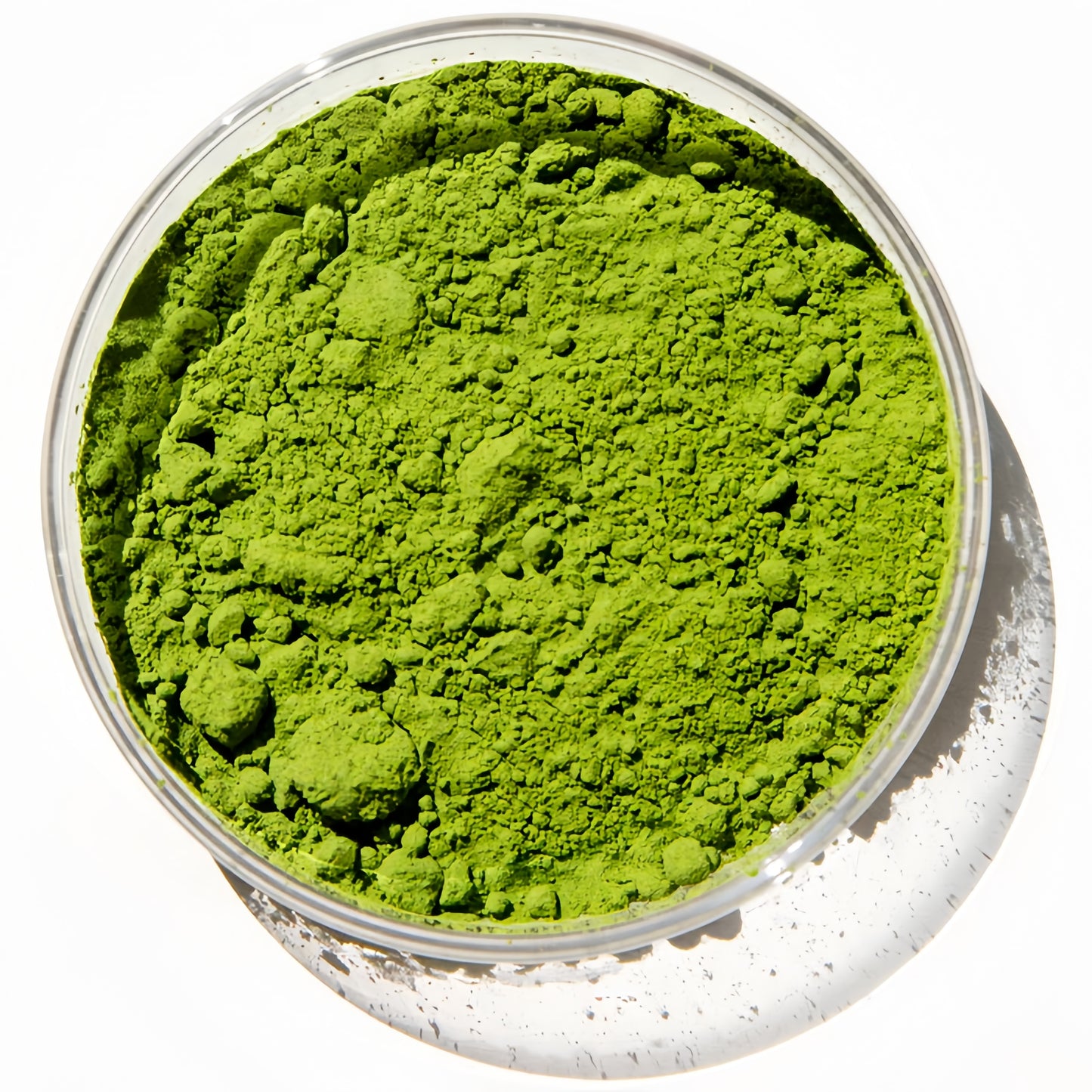


An elixir of youth for your skin, body and mind
Radiate with authentic beauty – EGCG firms and brightens skin, while chlorophyll clarifies. The combination of caffeine and catechins supports lipid metabolism and helps curb cravings. Finally, l-theanine promotes calm and balance.

Calm energy,withoutthe caffeine crash
Powerful phytonutrients promotea radiant complexion
Supports skinelasticity and healthy collagen levels
What’s inside?
 Sun Goddess Matcha
 Caffeine
 L-Theanine
Polyphenols

Teamaster-approved taste
Our matcha is a cult favorite thanks to its unrivaled umami flavor (the taste of l-theanine) – boasting a delicately fresh and creamy rich taste – and delivering the quality and flavor of the most exquisite matcha used in Japanese tea ceremonies. It’s the perfect morning or afternoon pick-me-up for an unrivaled antioxidant infusion for radiant skin, healthy metabolism, balanced mood and calm energy.

Pure Organic Sun Goddess Matcha
A 100% USDA organic ceremonial gradematcha powder for radiant skin, calmenergy and healthy digestion - ALWAYSquadruple toxin screened for purity
-

COLD EXTRACTION TECHNOLOGY
Cold Extraction Technologyextracts and preserves activehealth compounds formaximum benefits
-

TRIPLE TOXIN SCREENING
All of our ingredients arecarefully sourced andTriple Toxin Screened forpurity and bioactivity
-

MAXIMIZED PHYTONUTRIENTS
Unparalleled full-spectrum bioavailabilitywith no prep or brewingrequired


Trusted by health & beauty experts


Our fansare raving


Questions?We have answers!
How is matcha prepared?
How is matcha prepared?
Our general recommendation to make your matcha in the traditional way, we suggest putting the powder in your cup and then adding hot or cold water and mixing it right away for the best results. We recommend using a bamboo whisk for a frothy traditional matcha, but you can also use a kitchen whisk or a fork with good results.
You can also put your matcha powder in a bottle of water (cold if preferred) and shake it to mix for an on-the-go option. Water temperature will make a big impact on the taste of our teas. Ideal hot water temperature for matcha is between 140°-150°F and we strongly recommend not using water any hotter than 170°F.
How does matcha taste?
How does matcha taste?
Most people find matcha to have a strong, savory, grassy flavor, similar to wheatgrass or even spinach. However, premium matcha like our Sun Goddess Matcha is less grassy and has balanced flavors with layers of unfolding nuance and complexity. There are a lot of factors that differentiate premium matcha from common matcha.
What is the difference between matcha and green tea?
What is the difference between matcha and green tea?
Bothmatcha and green tea begin as the Camellia Sinensis plant. The main difference starts with how the plant is grown and processed. Matcha tea is shade grown and ground to a fine powder – you are essentially consuming whole tea leaves. The plant intended for green teas, on the other hand, is traditionally grown and harvested. Once harvested, the leaves are steamed to stop oxidation and then dried. The dried leaves are broken up for tea bags or carefully packaged as loose leaf tea, ready to steep.
Where is it sourced from?
Where is it sourced from?
Our Sun Goddess Matcha is made from 9th-degree tea masters in Kagoshima, Japan, and is one of the cleanest and purest organic matcha green teas you can find. It contains only one ingredient: ceremonial matcha green tea and is screened for heavy metals, toxic molds, radioactive isotopes, and pesticides.
Is matcha fasting friendly? Will it break my fast?
Is matcha fasting friendly? Will it break my fast?
Yes. Our Sun Goddess Matcha is fasting-friendly and will help with your fasting regimen. Tea 'technically' breaks a fast but is nevertheless recommended by doctors and nutritionists alike because they help activate some of the desired effects of fasting, such as increasing caloric burn and burning fat for energy.
I'm a beginner - how do I make my matcha?
I'm a beginner - how do I make my matcha?
If preparing matcha the traditional way does not work for you as a beginner, we recommend starting out by getting your palate accustomed to matcha.